
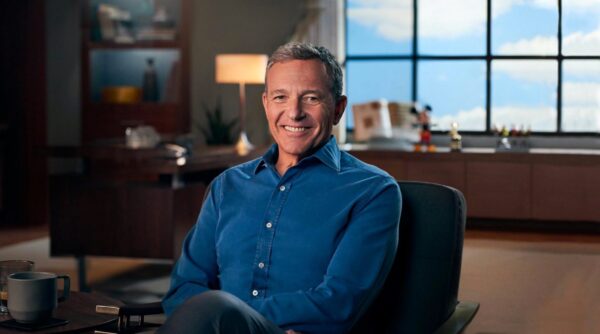

The Walt Disney Company’s CEO, Bob Iger, is reportedly feeling the weight of the company’s challenges, leading to exhaustion and overwhelming moments, according to a report by Bloomberg. The company’s stock price has been on a decline, prompting activist investor Nelson Peltz to increase his stake in the firm.
The article mentions that sources close to Iger say he often questions his decision to return to the helm of the company after the tumultuous tenure of his chosen successor, Bob Chapek.
Peltz, who initially called off a proxy fight with Disney after Iger committed to a $5.5 billion cost-cutting initiative, has now lost confidence in Iger’s ability to steer the company back on track.
Impact of Peltz and Trian
Following poor second-quarter earnings results, mainly attributed to the underperforming streaming division, Iger and Peltz had a phone conversation. During the call, Iger tried to reassure Peltz about Disney’s direction despite negative investor sentiment.
However, as Disney’s stock continued to decline throughout the summer, Peltz and his Trian Fund Management team decided to significantly increase their stake in the company, making Trian one of Disney’s largest investors, with a stake valued at around $2.5 billion. This move positions Peltz to potentially secure the board seats he has sought since early in the year.
In March 2021, Disney’s stock reached an all-time high of over $191 per share, benefiting from the increased demand for home entertainment during pandemic-related lockdowns. Since then, the stock price has dropped by over 50%, currently trading at around $84.50 per share.
Trian Fund Management believes Disney shares are undervalued and has been pressuring Iger, who extended his leadership of Disney through 2026, to reverse the stock’s decline. Iger has taken various steps to boost the company’s profits, such as raising the prices of its Disney+ streaming service and addressing password-sharing concerns.
Disney’s future may also see the company divesting its television assets, potentially including ABC and ESPN, in response to changing audience behavior in an era of fragmented internet and media.
What is the biggest challenge facing Disney and its CEO, Bob Iger, in turning the company around?