
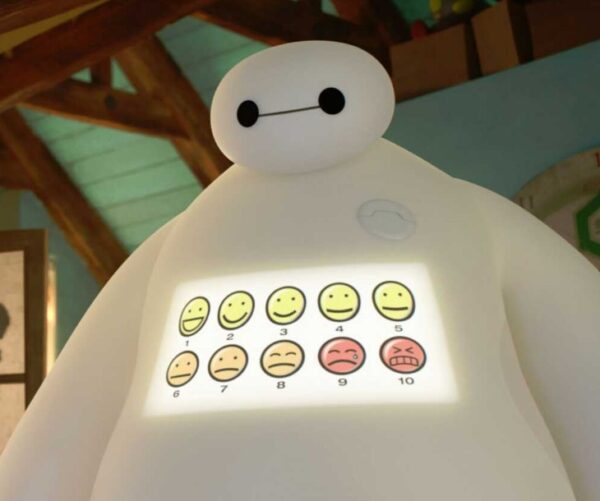

Oh, the sheer, unadulterated joy of Disney! From shimmering castles to heartwarming friendships, Disney animation has a magical ability to transport us to fantastical worlds.
But beyond the catchy tunes and unforgettable characters, a fascinating and often overlooked element lurks beneath the surface: science!
Disney, in its dedication to captivating audiences, doesn’t shy away from weaving intricate scientific principles into its narratives. Today, we’re diving headfirst into the vibrant scientific tapestry of three animated masterpieces: Finding Nemo, Wall-E, and Big Hero 6. We’ll explore how these films brilliantly bring science to life, educating and inspiring in equal measure. Get ready to geek out!
Finding Nemo: Diving Deep into Oceanography and the Wonders of Marine Biology
Synopsis: Our journey begins in the mesmerizing depths of the Great Barrier Reef with Finding Nemo, a heartwarming tale about a timid clownfish named Marlin who embarks on a perilous adventure to rescue his captured son, Nemo. Along the way, he encounters a forgetful but fiercely loyal Regal Blue Tang named Dory, and together, they navigate the vast and treacherous ocean, facing sharks, jellyfish, and even a horde of surfer-dude sea turtles.
The Science Unveiled: Finding Nemo isn’t just a visually stunning spectacle; it’s a veritable underwater encyclopedia brimming with accurate depictions of marine life and oceanic phenomena! Let’s plunge in!

First and foremost, the film does a fantastic job showcasing the incredible biodiversity of the Great Barrier Reef. The animators meticulously studied the various species inhabiting this underwater paradise, bringing them to life with stunning realism. From the vibrant clownfish with their symbiotic relationship with sea anemones (which the film delightfully portrays!) to the intricate coral formations that provide shelter and sustenance for countless creatures, Finding Nemo offers a breathtaking glimpse into the complex ecosystem of the reef.
The film also introduces us to the fascinating concept of bioluminescence with the Anglerfish scene. That creepy, glowing light emanating from its lure isn’t just for show; it’s a bioluminescent beacon created through a chemical reaction involving luciferin, a light-emitting compound, and luciferase, an enzyme that catalyzes the reaction. Disney accurately portrays the anglerfish’s use of bioluminescence as a lure to attract unsuspecting prey, showcasing a clever evolutionary adaptation that allows this deep-sea dweller to thrive in the darkness.
Furthermore, Finding Nemo touches upon the dangers of ocean pollution and its impact on marine life. When Nemo is swept up by a scuba diver, he ends up in a dentist’s office aquarium. This artificial environment, while seemingly safe, is ultimately detrimental to his well-being. The film subtly highlights the importance of preserving natural habitats and reducing our impact on the ocean environment.
Finally, the very act of Marlin and Dory navigating the ocean is rooted in scientific understanding. Currents, tides, and the vastness of the ocean are all represented realistically, adding a layer of authenticity to their quest. They even hitch a ride on the East Australian Current (EAC!), a real ocean current that flows along the east coast of Australia, playing a crucial role in transporting marine life and influencing regional climate.
Finding Nemo isn’t just a delightful animated film; it’s an engaging introduction to the wonders of marine biology and the importance of ocean conservation. It inspires us to appreciate the beauty and complexity of the underwater world and to take action to protect it for future generations.
Wall-E
Synopsis: Fast forward to a dystopian future where Earth is a desolate wasteland covered in mountains of trash. Our protagonist is Wall-E, a lonely Waste Allocation Load Lifter – Earth-Class robot, tirelessly compacting garbage. His life is forever changed when EVE, a sleek, state-of-the-art probe robot, arrives on Earth in search of signs of life. Together, they embark on an intergalactic adventure to save humanity, who have been living on a luxurious but sedentary space cruise ship.
The Science Unveiled: Wall-E is a visually stunning and emotionally resonant film that tackles serious themes like environmental degradation, technological advancement, and the future of humanity. The science behind the film is both thought-provoking and alarmingly relevant.
The very premise of Wall-E hinges on the consequences of unchecked consumerism and environmental pollution. The film portrays a grim future where Earth has been rendered uninhabitable due to the accumulation of waste. This is a powerful commentary on the real-world problem of waste management and the urgent need for sustainable practices. The piles of garbage, the toxic atmosphere, and the absence of plant life are all stark reminders of the potential consequences of our actions.
Wall-E himself is a marvel of robotic engineering. He’s a compacting robot designed to withstand harsh environments and perform repetitive tasks. The film accurately depicts the capabilities of robots in performing tasks that are too dangerous or tedious for humans. Wall-E‘s ability to collect and compact trash, navigate complex terrain, and even develop a personality is a testament to the potential of robotics.
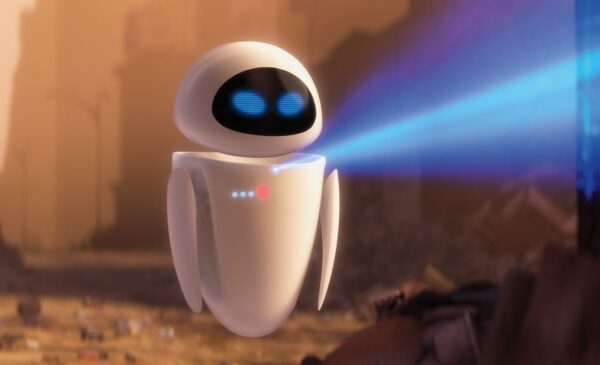
EVE, on the other hand, represents a more advanced form of robotics. She’s a sleek, technologically sophisticated probe robot equipped with sensors, lasers, and the ability to scan for signs of life. EVE‘s design and functionality reflect the advancements in robotics that are being made today, particularly in the fields of artificial intelligence and autonomous systems. Her search for plant life also highlights the importance of botany and the role plants play in sustaining life on Earth.
Furthermore, Wall-E raises important questions about the impact of technology on human society. The humans living on the Axiom have become overly reliant on technology, leading to physical inactivity and a disconnect from the natural world. The film serves as a cautionary tale about the dangers of technological dependence and the importance of maintaining a healthy balance between technology and human connection.
Wall-E is more than just a cute robot story; it’s a powerful message about the importance of environmental stewardship, responsible technological development, and the enduring need for human connection. It challenges us to consider our impact on the planet and to strive for a future where technology serves humanity rather than the other way around.
Big Hero 6
Synopsis: Our final stop takes us to the vibrant metropolis of San Fransokyo, a dazzling blend of San Francisco and Tokyo, where we meet Hiro Hamada, a brilliant but directionless robotics prodigy. After a tragic event, Hiro teams up with Baymax, a huggable healthcare companion robot, and a group of his friends to form a superhero team dedicated to stopping a masked villain from unleashing a deadly technological threat.
The Science Unveiled: Big Hero 6 is a high-octane superhero adventure that seamlessly integrates various scientific disciplines, creating a world where innovation and technology are at the forefront. This film is a veritable celebration of STEM fields, inspiring young viewers to embrace science and engineering.
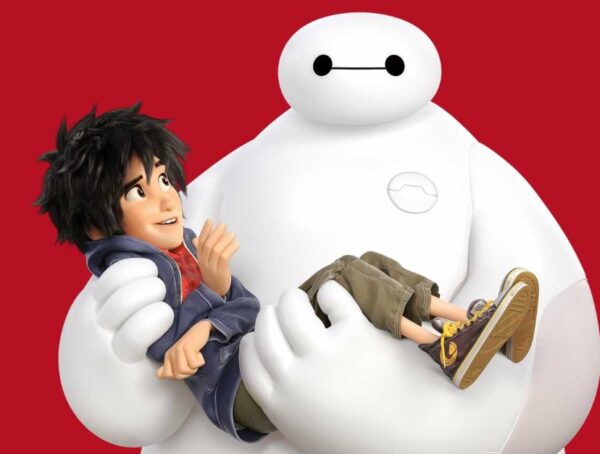
The heart and soul of Big Hero 6 is Baymax, the inflatable healthcare companion robot. Baymax‘s design is inspired by the research being done in soft robotics, which focuses on creating robots that are flexible, adaptable, and safe for human interaction. His inflatable vinyl body allows him to move easily and avoid causing harm, while his extensive medical database and scanning capabilities make him an invaluable healthcare provider.
In conclusion, Disney’s Finding Nemo, Wall-E, and Big Hero 6 are not just visually stunning and emotionally resonant animated films; they are brilliant examples of how science can be seamlessly integrated into storytelling to educate, inspire, and entertain audiences of all ages.
Do you enjoy the science angles in Disney animated films?